Redstor
Challenge
Fragmented collaboration between Product Design and Engineering teams
Lack of shared context → delays, blockers, misalignment
Skepticism toward Design Thinking as a delivery approach
Approach
diagnosed the current workflow
Investigate as-is situation
Preliminary investigation of process, ceremonies and documentation.
Key roles interview
Discover the process and pain points from key roles PM, PO, Development and PD.
Process Mapping
Mapped real workflows across a 2-week sprint
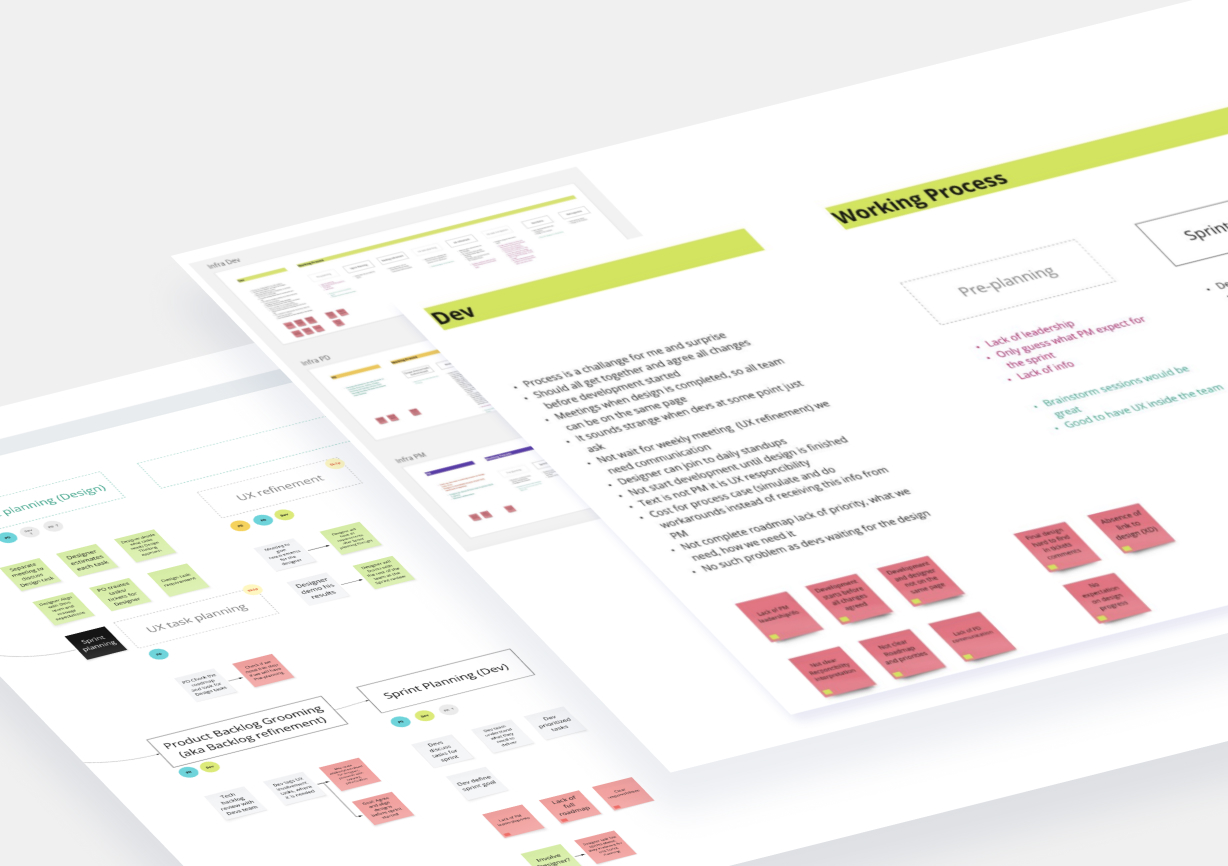
redesigned the working process
- Created a shared, transparent workflow model for the entire tribe
- Aligned responsibilities, touchpoints, and dependencies
- Integrated collaboration rituals into the workflow, which were quickly adopted by teams seeking better alignment.
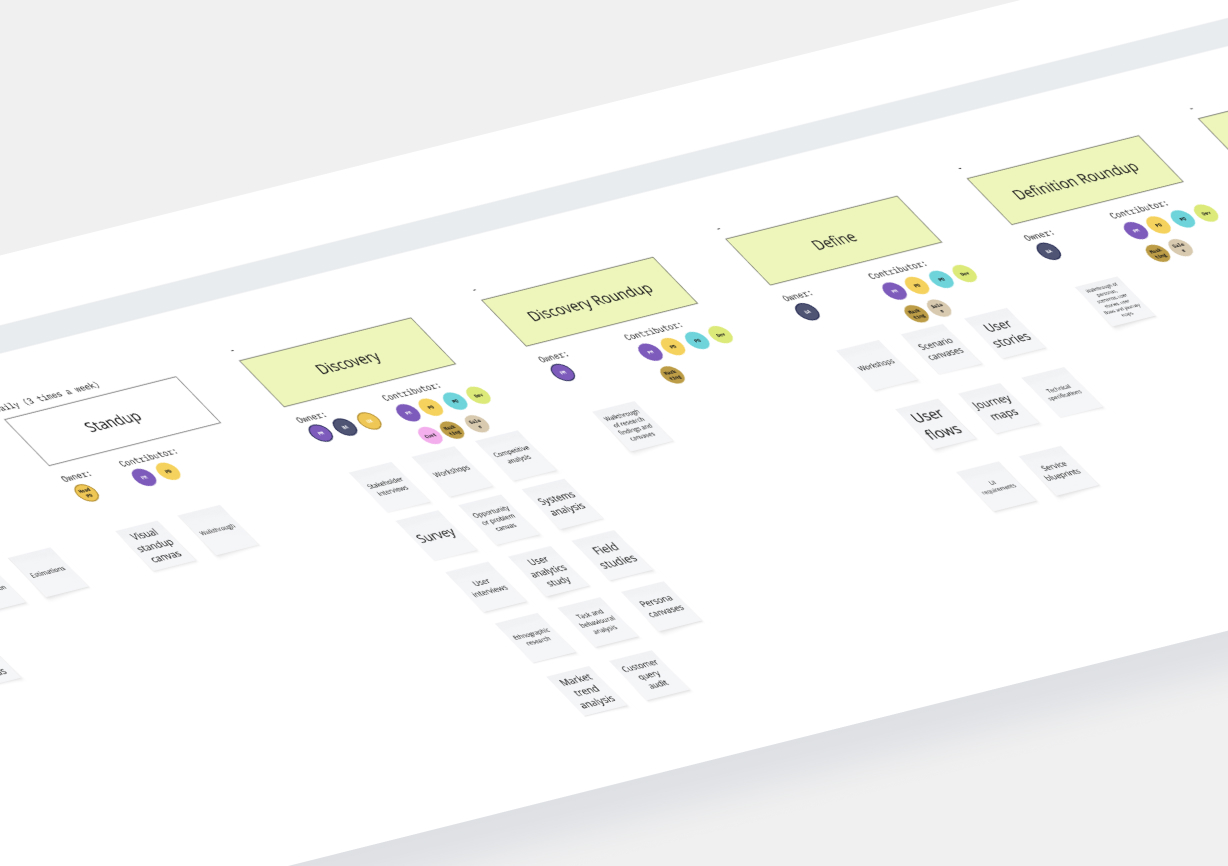
Transformed fragmented team workflows into a structured, collaborative delivery process, improving speed, alignment, and product quality.
Achievements
Scaling Product Delivery Through Design Thinking
Fragmented workflows and misalignment between design and engineering caused constant blockers, month-long delays, and frequent rework.
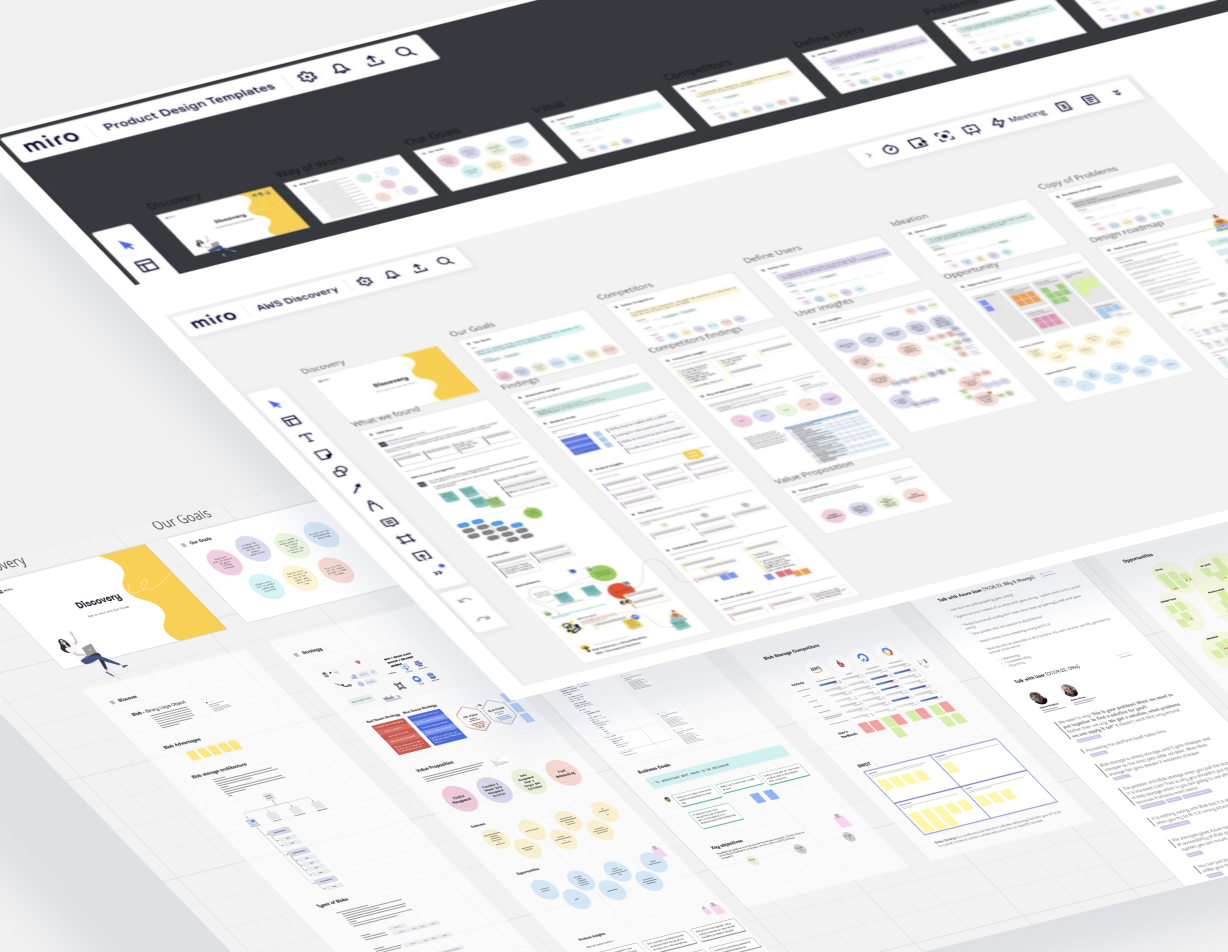
I introduced a structured Design Thinking framework with reusable templates and a shared workflow, aligning teams and enabling flexible, research-driven delivery.
As a result, blockers were reduced to near-zero, teams achieved consistent on-time sprint delivery, and rework was eliminated through early validation.
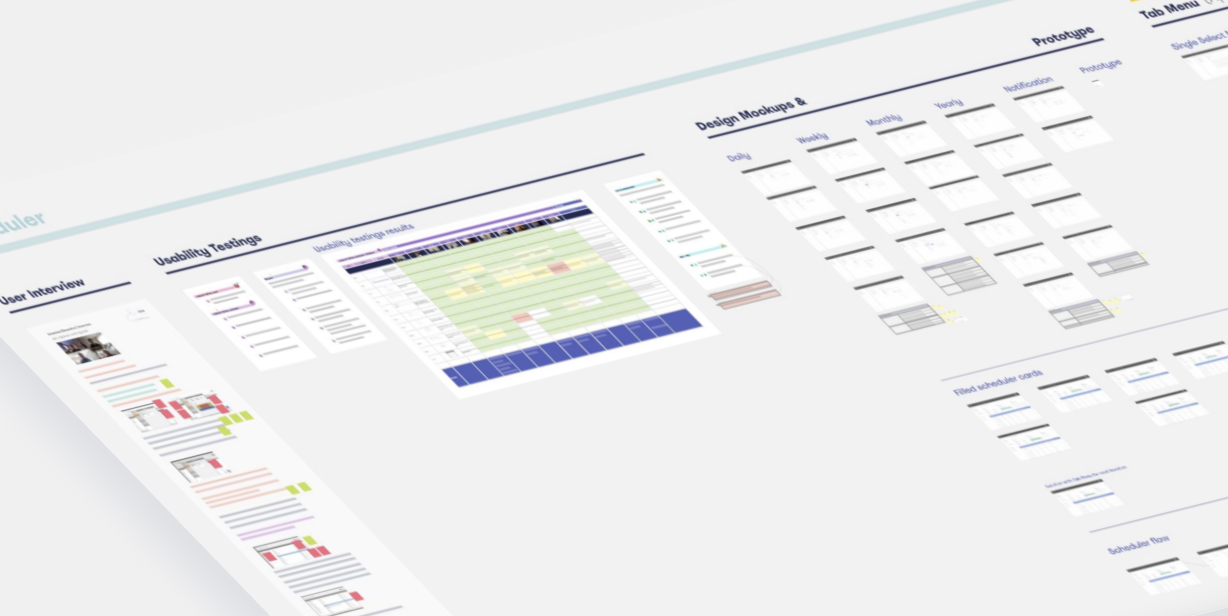
Established feature validation process
Feature development was driven by assumptions, leading to frequent rework and inefficient use of resources.
I introduced a repeatable validation framework based on user interviews and usability testing, integrating feedback into feature design and iteration.
As a result, teams shifted to data-driven decisions, eliminating rework and ensuring validated features before development.
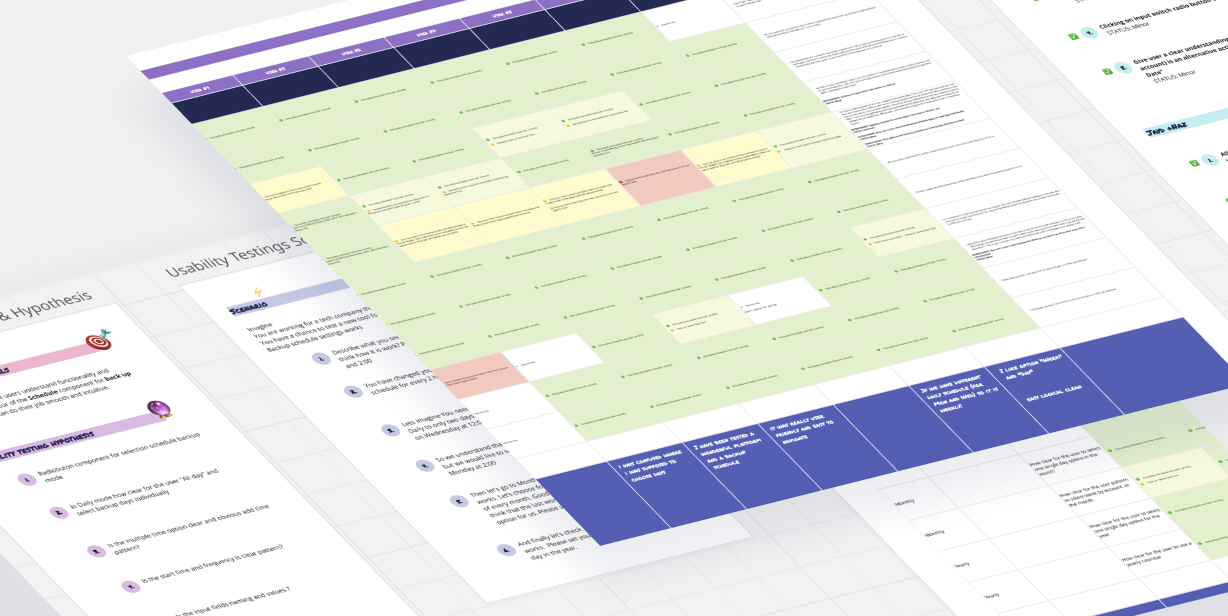
Established usability testing practice
I established a structured usability testing practice with defined goals, scenarios, a results matrix, and actionable improvement tracking.
As a result, teams continuously validated features with real users, increasing confidence in outcomes and reducing the risk of ineffective solutions.
Resolving Design–Development Mismatch
The team often faced recurring inconsistencies between design and frontend implementation
This led to constant discussions, rework, and lack of visual consistency across the product.
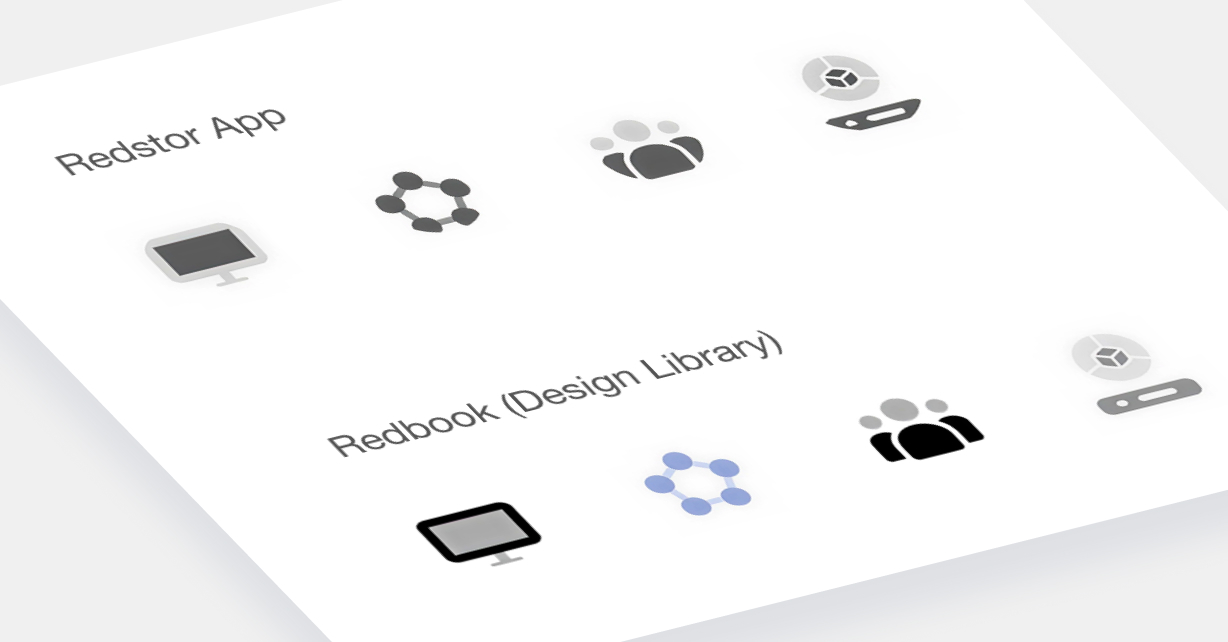
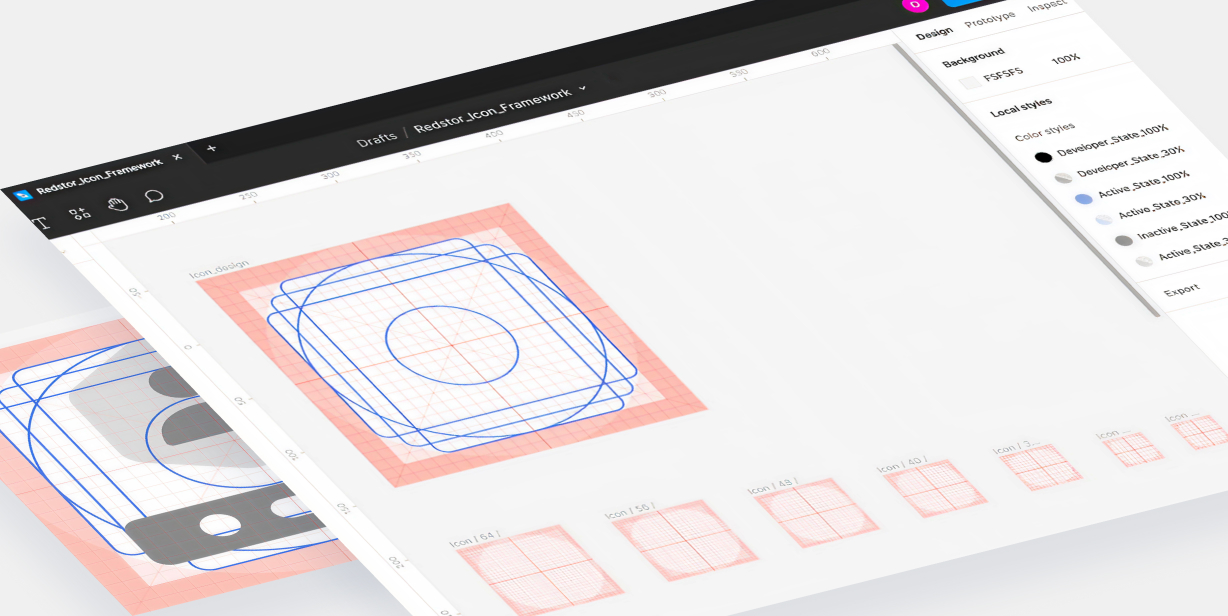
- Identified the root cause of the issue — a mismatch between design assets and frontend rendering constraints. Redesigned the icon approach to align with technical limitations.
- Developed a reusable Icon Framework for the PD team, ensuring compatibility with frontend requirements.
How team reacted:
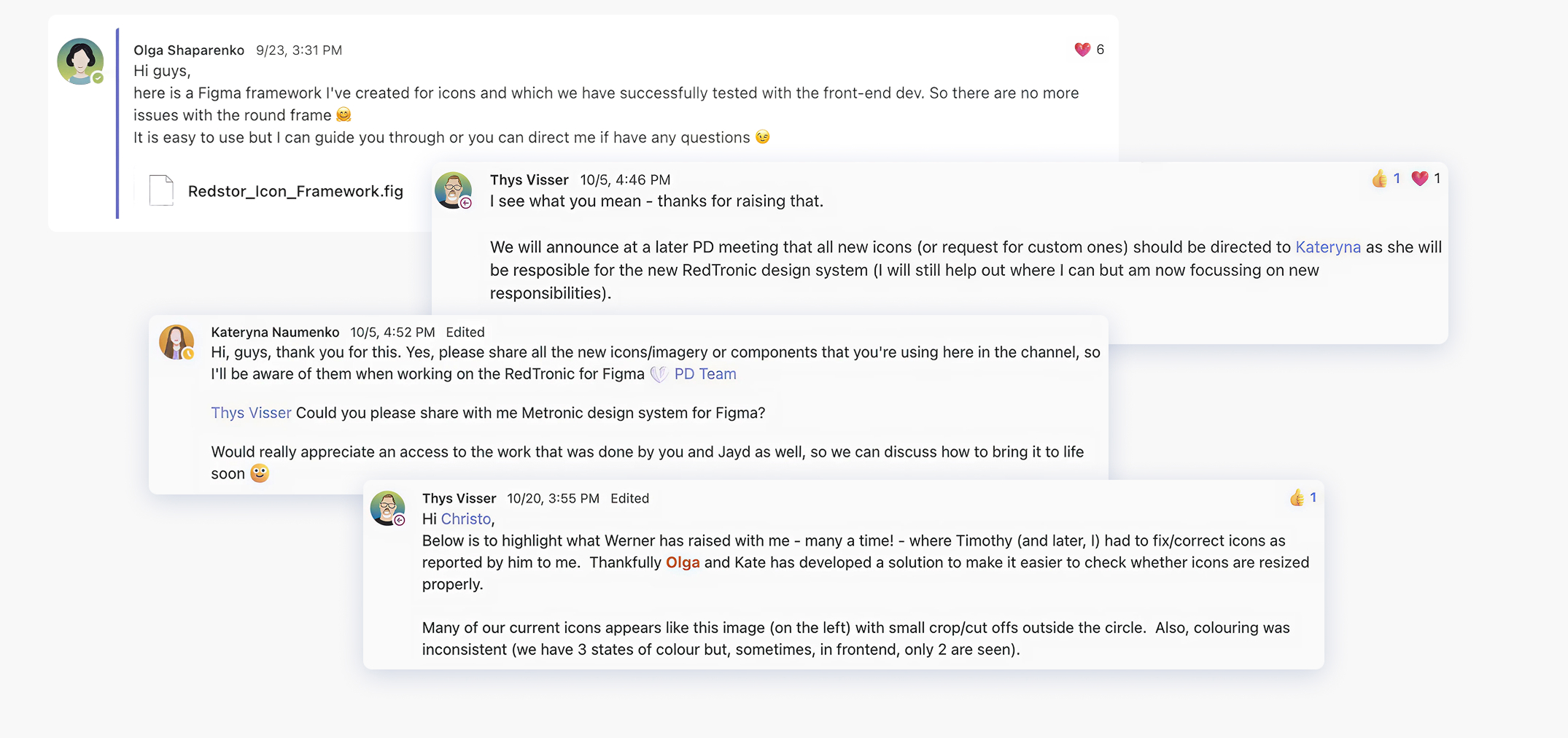
Translated technical constraints into a design system solution, improving cross-team alignment and long-term scalability.
Results
12 months
3 Product Designers (in my squad) · 12 designers in the PD team
- Reduced blocker delays from multi-week to near-zero across 12 months
- Improved delivery consistency — features delivered on time across sprints
- Eliminated late-stage rework with validated designs before development
- Increased team alignment — regular cross-team collaboration sessions adopted
- Teams adopted a shared delivery framework, improving transparency and collaboration
- Design Thinking adoption reduced late-stage rework; validated designs eliminated weeks of engineering time
- Usability testing enabled evidence-based design decisions
- Reduced wasted development effort on non-validated features
- Introduced framework adopted by 12-person PD team
Redstor taught me that broken processes directly impact delivery and efficiency. Even talented, motivated teams can be blocked when the system causes friction. I’m proud that my expertise helped build the conditions where good design and its development can actually happen.